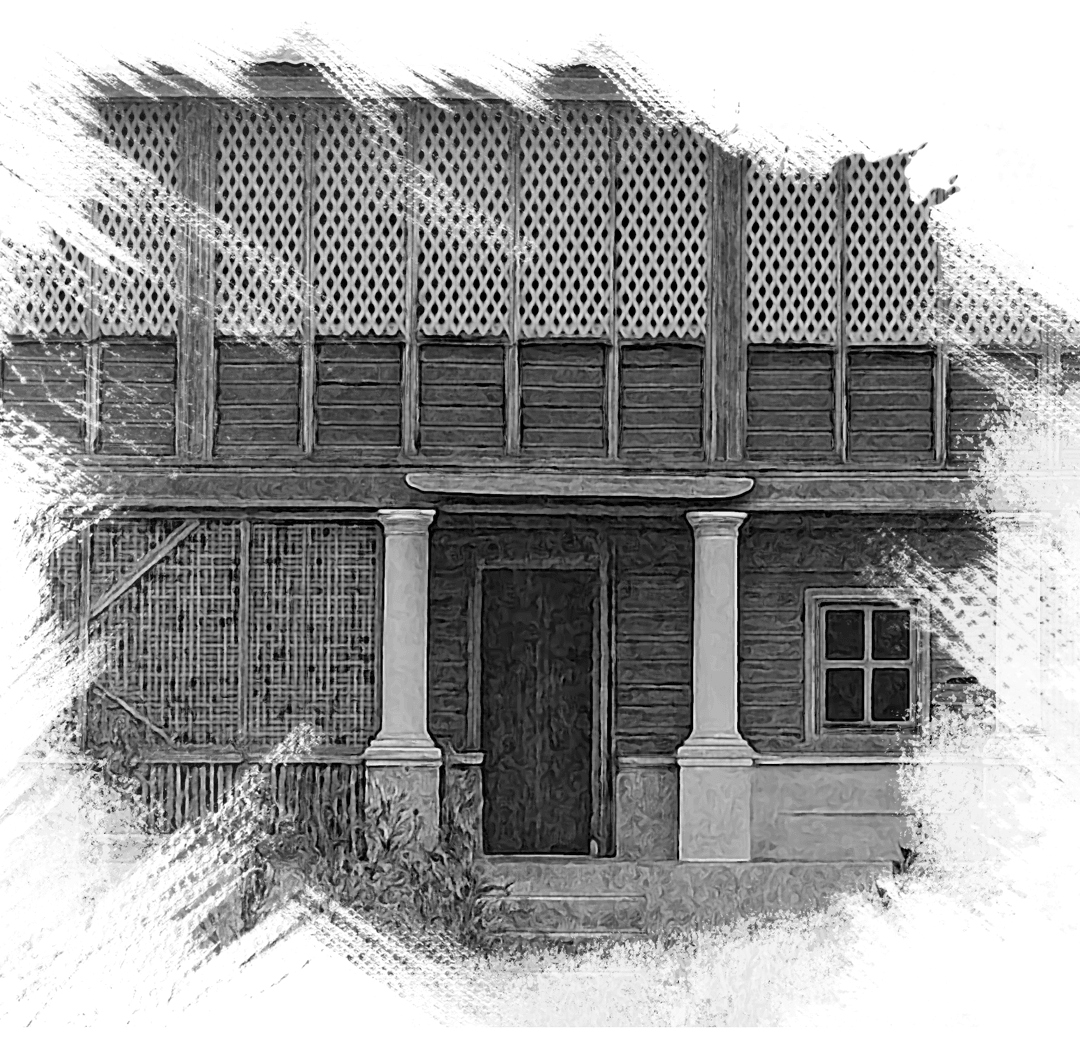
MADRASAH MARIAH

In Bukit Chandan, Kuala Kangsar, more than a century ago, a story of benevolence began in the humblest of ways. A small madrasah named Madrasah Mariah was established to shelter and educate orphaned girls. Though modest in size, it carried a great hope – to serve as the earliest foundation of religious education in the area, and eventually the seed that grew into the renowned Madrasah Idrisiah

SULTAN IDRIS MURSHID ULADZAM SHAH

During the reign of Sultan Idris Murshidul ‘Adzam Shah I (1887–1916), his devotion to religion and education was manifested in enduring charitable works. In 1915, he fully financed the construction of Masjid Ridzwaniah through his waqf endowment. The grand mosque at the heart town of Kuala Kangsar not only became the central place of worship for the local community, but also stood as a symbol of a ruler’s generosity and commitment to faith. In the same year, a royal burial complex, Makam Al-Ghufran, was completed – which later became his final resting place in 1916, when he passed away with the posthumous title Marhum Rahmatullah.
Yet, Sultan Idris’s vision did not end there. In 1917, another monumental act of charity emerged – Madrasah Idrisiah, built on nearly three acres of waqf land. To ensure its sustainability, he also endowed a row of shop lots in the town of Kuala Kangsar. The rental income was designated to fund teachers’ salaries, student allowances, and the operational needs of the madrasah. Five years later, in 1922, Madrasah Idrisiah was officially opened, becoming one of the earliest royal religious schools in Perak – a center of learning that produced many scholars and religious leaders.

SULTAN ABDUL JALIL NASIRUDDIN MUHTARAM SHAH

After the passing of Sultan Idris, the throne was succeeded by his son, Sultan Abdul Jalil Nasiruddin Muhtaram Shah (1916–1918). Recognizing the importance of safeguarding his father’s legacy, he wisely enacted a special law – Enactment No. 3 of 1917: The Sultan Idris Religious and Charitable Trust. This enactment placed all of Sultan Idris’s waqf assets under the formal governance of appointed trustees, with a clear mandate: to ensure that the waqf proceeds were systematically distributed to the three principal institutions – Masjid Ridzwaniah, Makam Al-Ghufran, and Madrasah Idrisiah.

Through this enactment, the waqf of Sultan Idris became one of the earliest examples in Malaya of a royal endowment being strengthened through formal legislation. It served as a pioneering model of sustainable waqf governance, enduring across generations.

Today, more than a century after the passing of Sultan Idris, the three cornerstone institutions – Masjid Ridzwaniah, Madrasah Idrisiah, and Makam Al-Ghufran – still stand with dignity. They are not merely buildings, but living witnesses to the legacy of a Sultan of the people, whose charitable endowment continues to flow and benefit lives to this very day.

Scroll to Top